
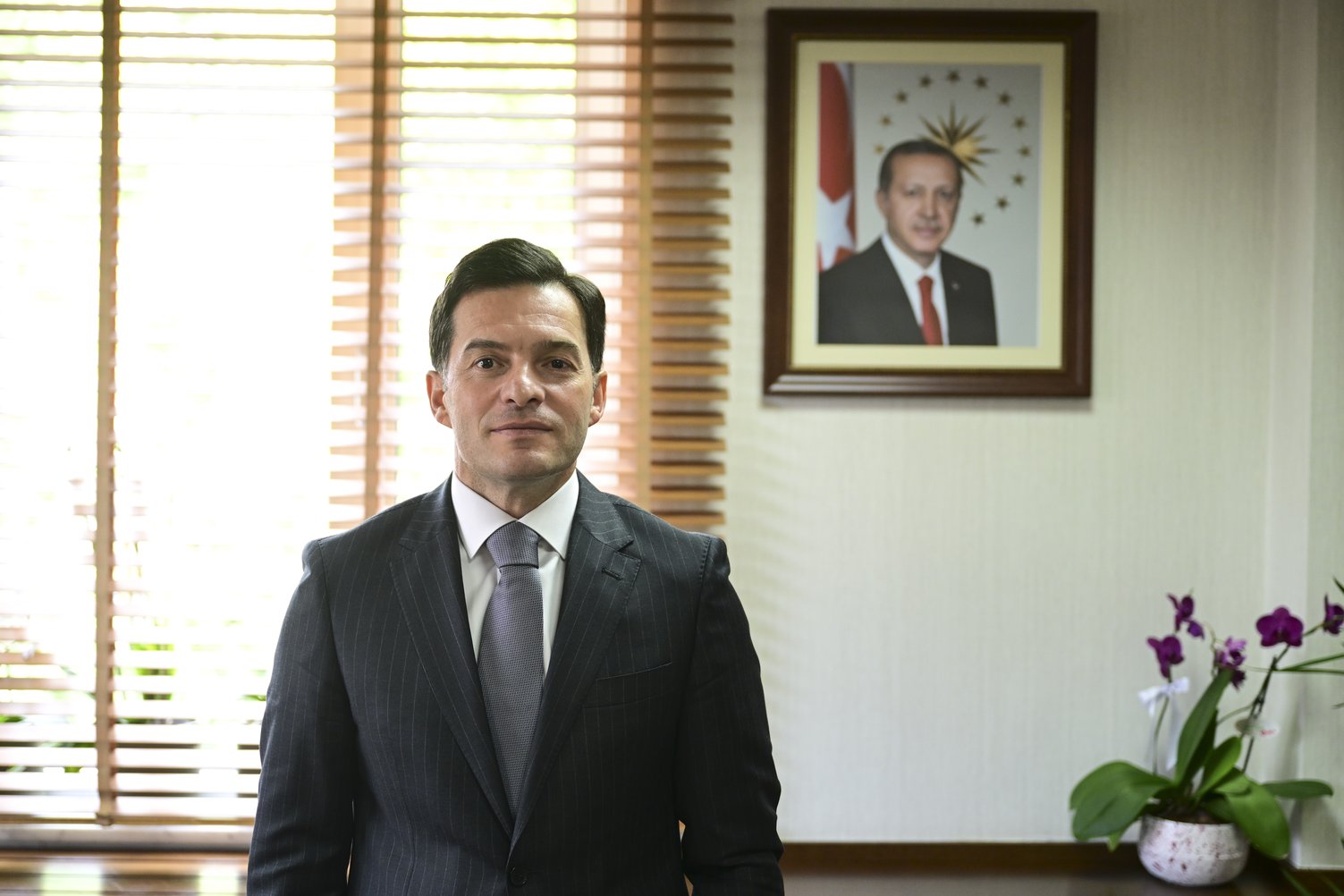
President of Migration Management Muhammet Selami Yazıcı: "406 Victims of Human Trafficking Have Been Taken Under Protection since 2025"
In his statement on the occasion of July 30, World Day Against Trafficking in Persons, President of Migration Management Muhammet Selami Yazıcı stated that 406 victims have been taken under protection since 2025 in the combat against the crime of human trafficking, which has changed its methods with digitalization, and emphasized that inter-institutional cooperation and social awareness are of great importance.
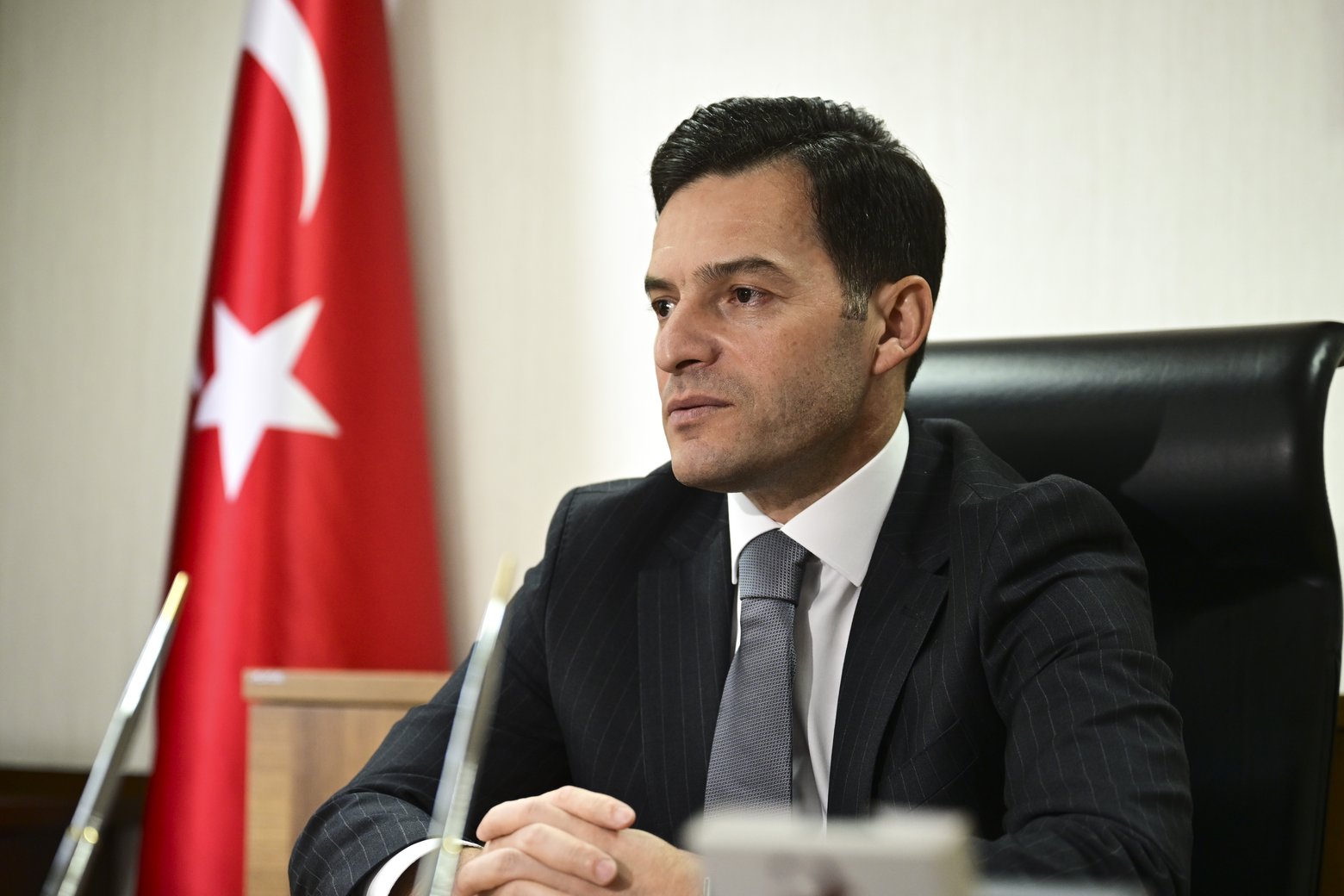
Making a statement on the occasion of July 30, World Day Against Trafficking in Persons, President Muhammet Selami Yazıcı stated that the crime of human trafficking has increasingly expanded in terms of both the profile and number of victims since its early days, and has become a major problem generating significant economic resources for organized crime groups.
Reminding that 30 July was declared "World Day Against Trafficking in Persons" by the resolution of the United Nations General Assembly dated 18 December 2013, President Yazıcı stated that this day offers an important opportunity to draw attention to human trafficking and build public awareness.
Modern Slavery Has Moved to the Digital Environment
Emphasizing that human trafficking, in its simplest terms, is the commercial commodification of a person's body or labour, President Yazıcı noted that global conflicts, irregular migration movements, economic vulnerabilities, and digitalization have significantly altered the methods of the crime.
Stressing that today human trafficking manifests in various forms such as sexual exploitation, forced labor, organ and tissue trafficking, forced begging, forced marriage, and forced criminality, President Yazıcı stated that this crime, which can rapidly adapt to socioeconomic developments, possesses a continuously self-renewing structure.
Conveying that digitalization and technological developments have a direct impact on the methods of committing the crime of human trafficking, President Yazıcı stated that internet-based communication tools, social media platforms, and the anonymity provided by digital networks enable criminal organizations to reach victims more quickly, at a lower cost, and on a global scale.
Stressing that this situation has led the crime of human trafficking to evolve into a more complex and organized structure that can be sustained through digital environments, President Yazıcı noted that one of the most painful and unacceptable consequences of this change is the use of children in criminal activities.
Emphasizing that ensuring children live in a safe environment, free from all forms of abuse and exploitation, is a joint responsibility of not only public institutions but all segments of society, President Yazıcı pointed out the importance of raising awareness on this issue.
Türkiye Resolutely Fulfills Its International Obligations
Stressing that Türkiye resolutely fulfills its international obligations in the combat against human trafficking, President Yazıcı stated that legal requirements are met in line with the international conventions to which Türkiye is a party, notably the Palermo Protocol supplementing the United Nations Convention against Transnational Organized Crime and the Council of Europe Convention on Action against Trafficking in Human Beings.
Recalling that, pursuant to Presidential Decree No. 4, the Presidency of Migration Management was mandated as the institution responsible for national coordination in the combat against human trafficking, President Yazıcı reported that efforts are underway to prevent the crime and protect victims without discrimination between Turkish citizens and foreigners, within the framework of the Regulation on Combating Human Trafficking and Protecting Victims.
National Action Plan in Action
Stressing that a new era in the combat has begun with the 2025-2030 National Action Plan on Combating Human Trafficking, which was adopted at the 15th Migration Board and implemented on 29 January 2025, President Yazıcı stated that the plan aims to strengthen inter-institutional cooperation, enhance the quality of victim-centered services, develop new mechanisms for crime prevention, boost awareness-raising efforts, and increase institutional capacity.
YİMER 157 and 112 Initiate the Reporting Process
Noting that the Presidency of Migration Management pursues the combat against human trafficking with a multidimensional strategy, President Yazıcı stated that the national referral mechanism begins with reports and notifications, while victim identification is carried out within the scope of a multi-stakeholder process.
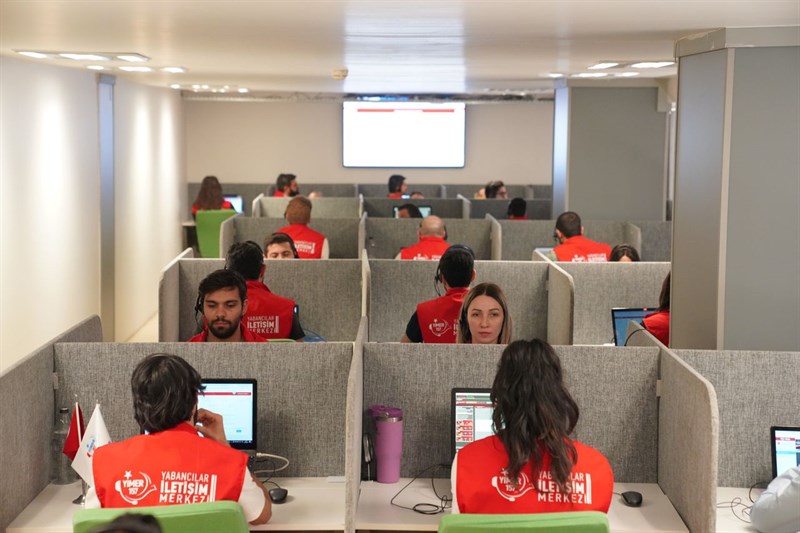
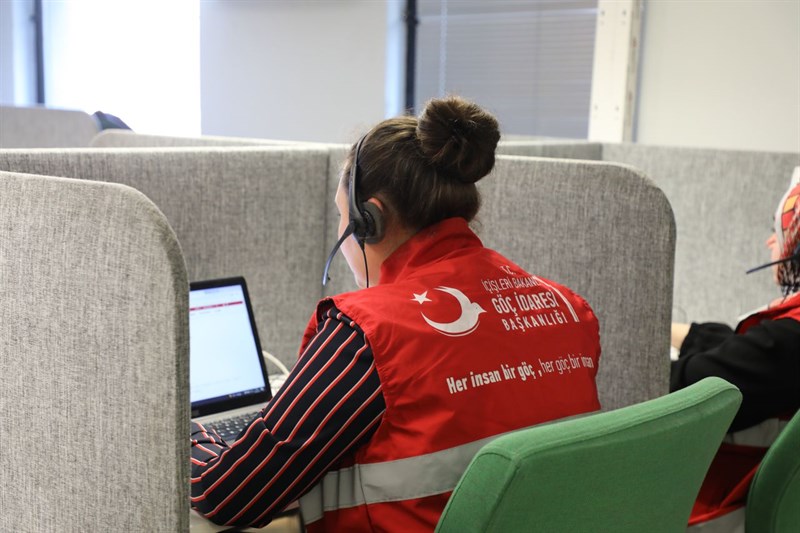
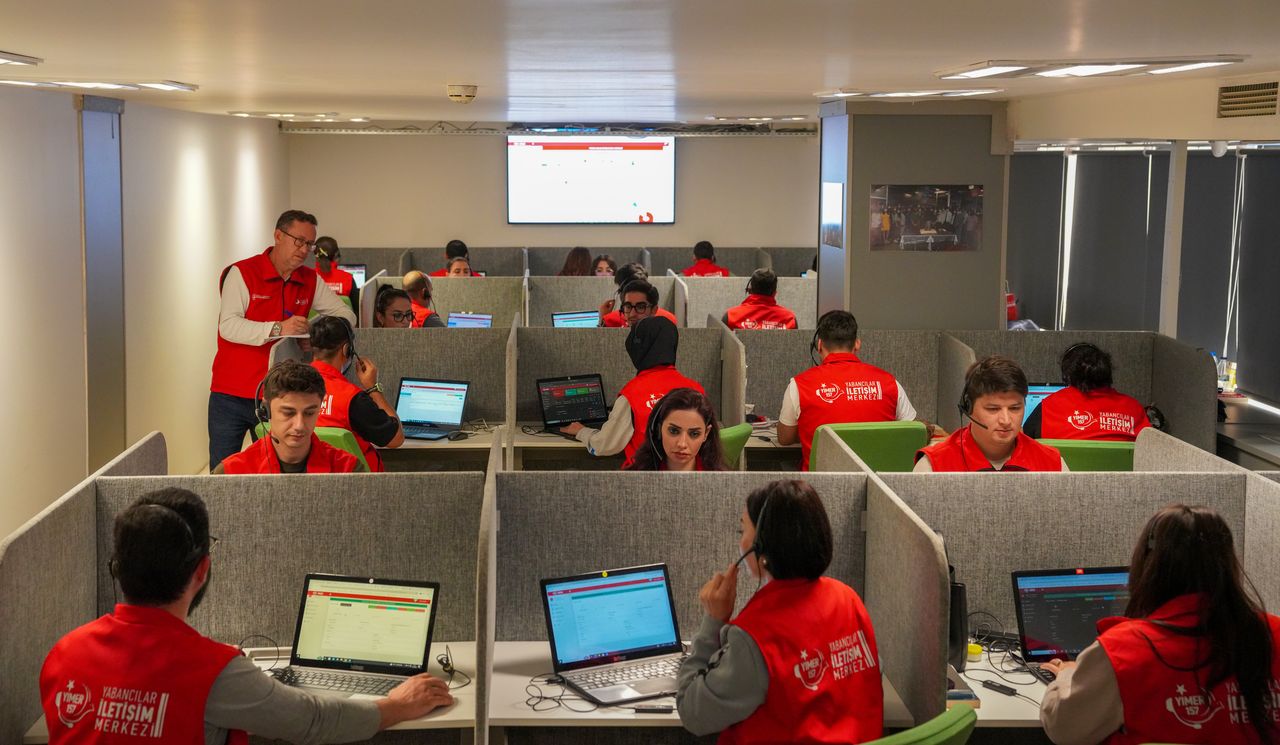
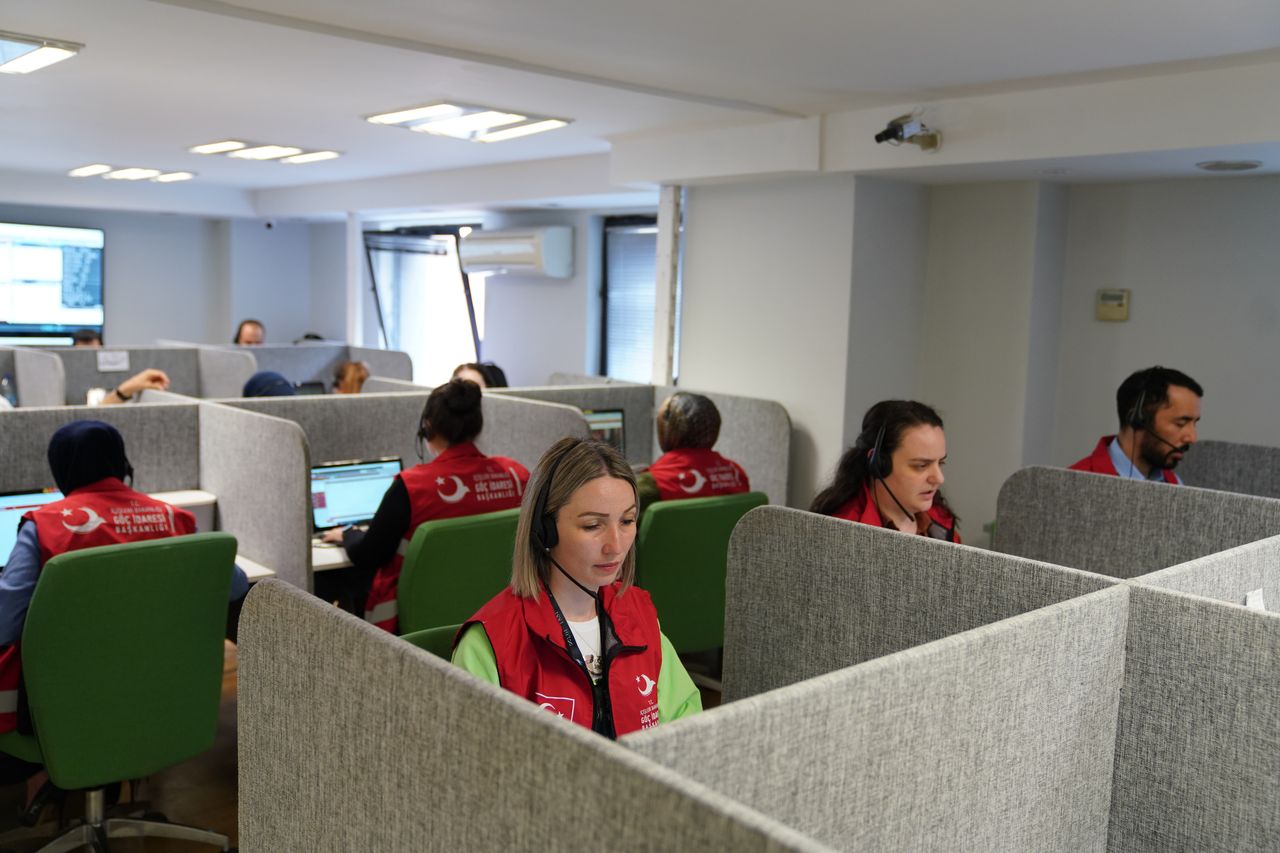
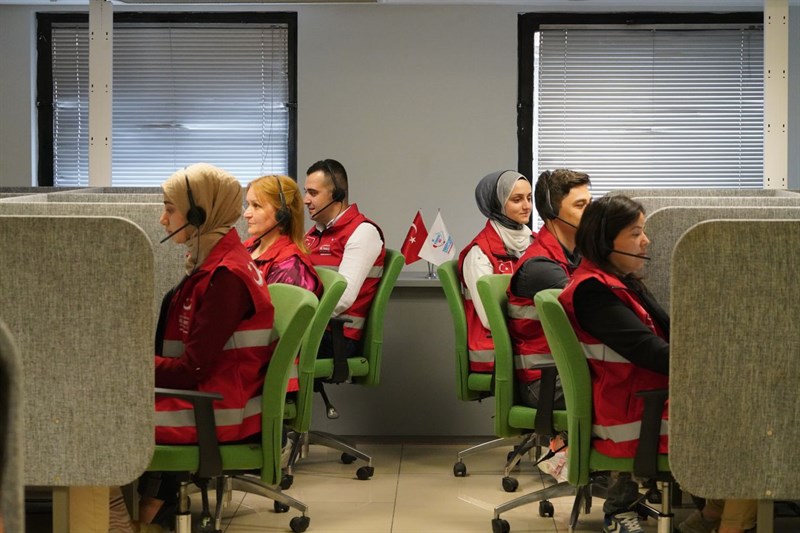
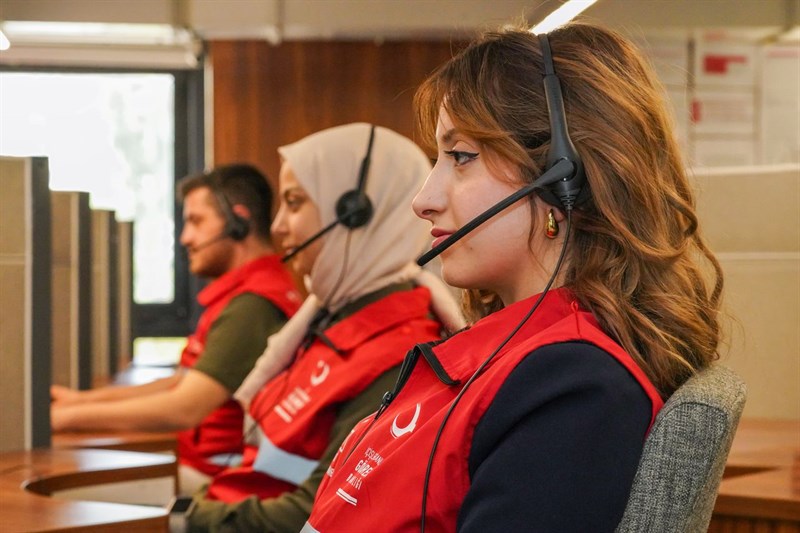
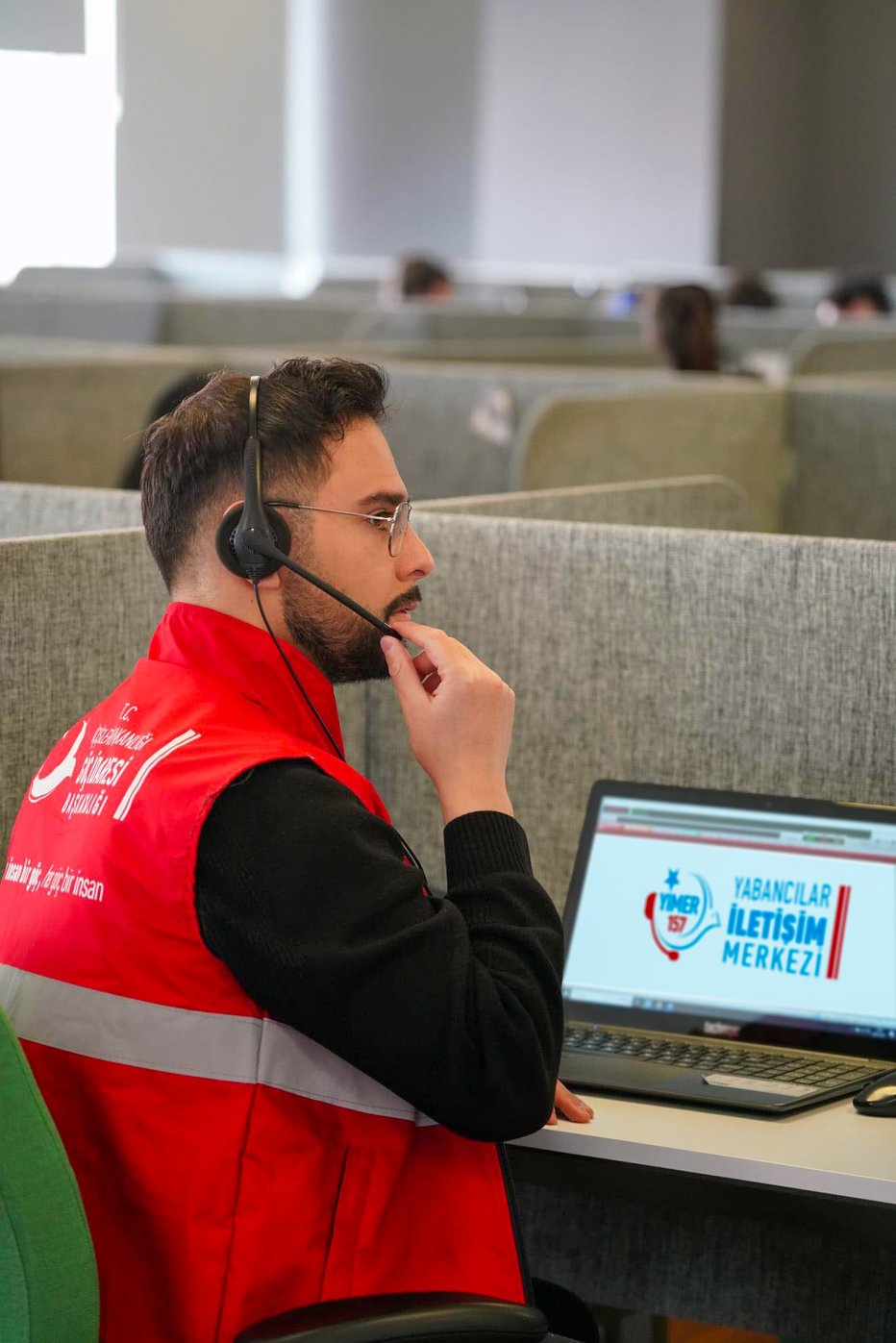
President Yazıcı reported that Provincial Directorates of Migration Management coordinate the process by activating protection and support mechanisms based on referrals from law enforcement agencies, public institutions, and non-governmental organizations, as well as reports reaching the Presidency's information and reporting hotline YİMER 157 and the 112 Emergency Call Center. In this context, while a total of 878 calls regarding potential human trafficking cases have been handled by YİMER 157 since 2015, 185 of these were requests for information and 694 were in the nature of reports. As a result of the assessments, 197 victims were rescued through the efforts carried out within the scope of 109 verified reports.
Noting that in addition to reports received through YIMER 157, victim identification and protection activities carried out via law enforcement units, public institutions, and other notification mechanisms are also conducted effectively, President Yazıcı stated that a total of 406 victims have been taken under protection from 2025 to the present, with 261 of them identified in 2025 and 145 in 2026, and referred to the necessary protection and support mechanisms.
Stating that individuals identified as victims are offered a victim support program or safe return options upon their request, President Yazıcı noted that within the scope of the support program, safe accommodation, financial assistance, access to health and education services, psychosocial support, and legal aid are provided, and that the capacity and effectiveness of shelters serving requesting victims have been increased.
Call for Sensitivity to Citizens
Drawing attention to the fact that the combat against human trafficking is the shared responsibility of all segments of society—ranging from civil society organizations to judicial authorities, security forces, and citizens—not just public institutions, President Yazıcı stated that citizens who encounter a suspicious situation related to human trafficking can call YİMER 157, which serves in 5 languages, the 112 Emergency Call Center, and law enforcement units, or apply to the Provincial Directorates of Migration Management in 81 provinces to make reports and notifications.
İÇERİK PAYLAŞ